Carry-On vs Checked: Pack for the Hours You Cannot Reach a Suitcase
The hold bag went down the belt. The connection did not. For the rest of that day the only bag I had was the backpack on my shoulder. The suitcase was not lost forever. It was simply somewhere I could not open it. That is the difference that matters.
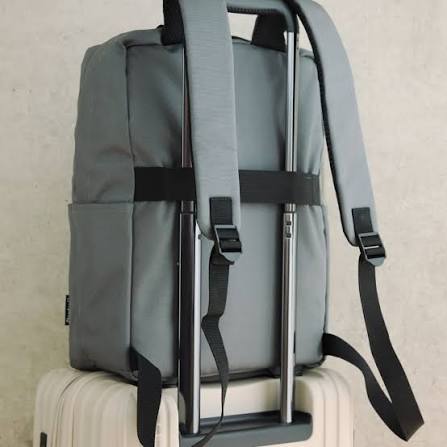
People sort bags by size. Cabin means smaller. Checked means heavier. That split is real, and it is not the useful one. The useful split is access: one bag stays in your hands; the other may not.
Count the hours you cannot open the hold piece
Before you decide what goes where, look at the ticket. A direct trip still has a stretch when the hold luggage is gone. A connection can add another: collect, walk, stand in a second line. Those hours are the ones the cabin bag has to cover.
I used to put the charger in the suitcase because the backpack was already tight. The suitcase arrived the next afternoon. The phone did not last that long. Size had won. Access had lost.
If you cannot reach an item for a night, it does not belong only in the bag you may not see until morning.
What stays with you
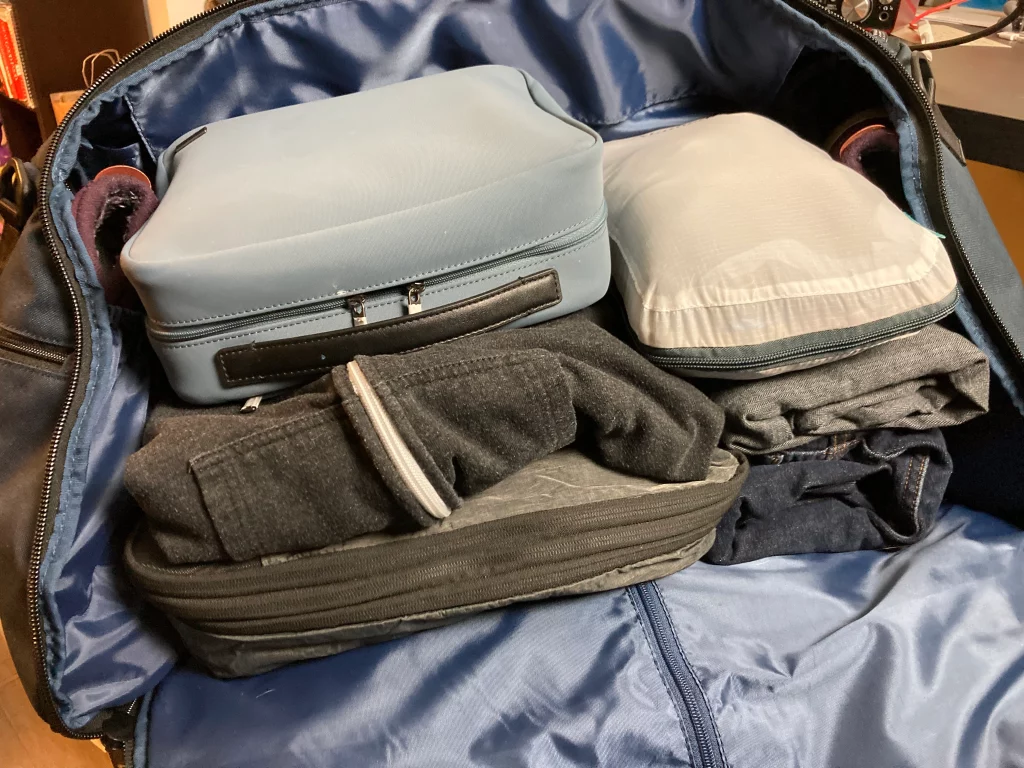
The cabin kit is not a second wardrobe. It is the set that makes the first night workable if the other bag is late. Stop when the small bag starts to bulge.
- Papers you already carry: ticket, identification, and any claim notes you printed at home.
- One complete change of clothes, including socks. Not a capsule collection.
- The charger and the cable you actually use, not the spare still in a drawer.
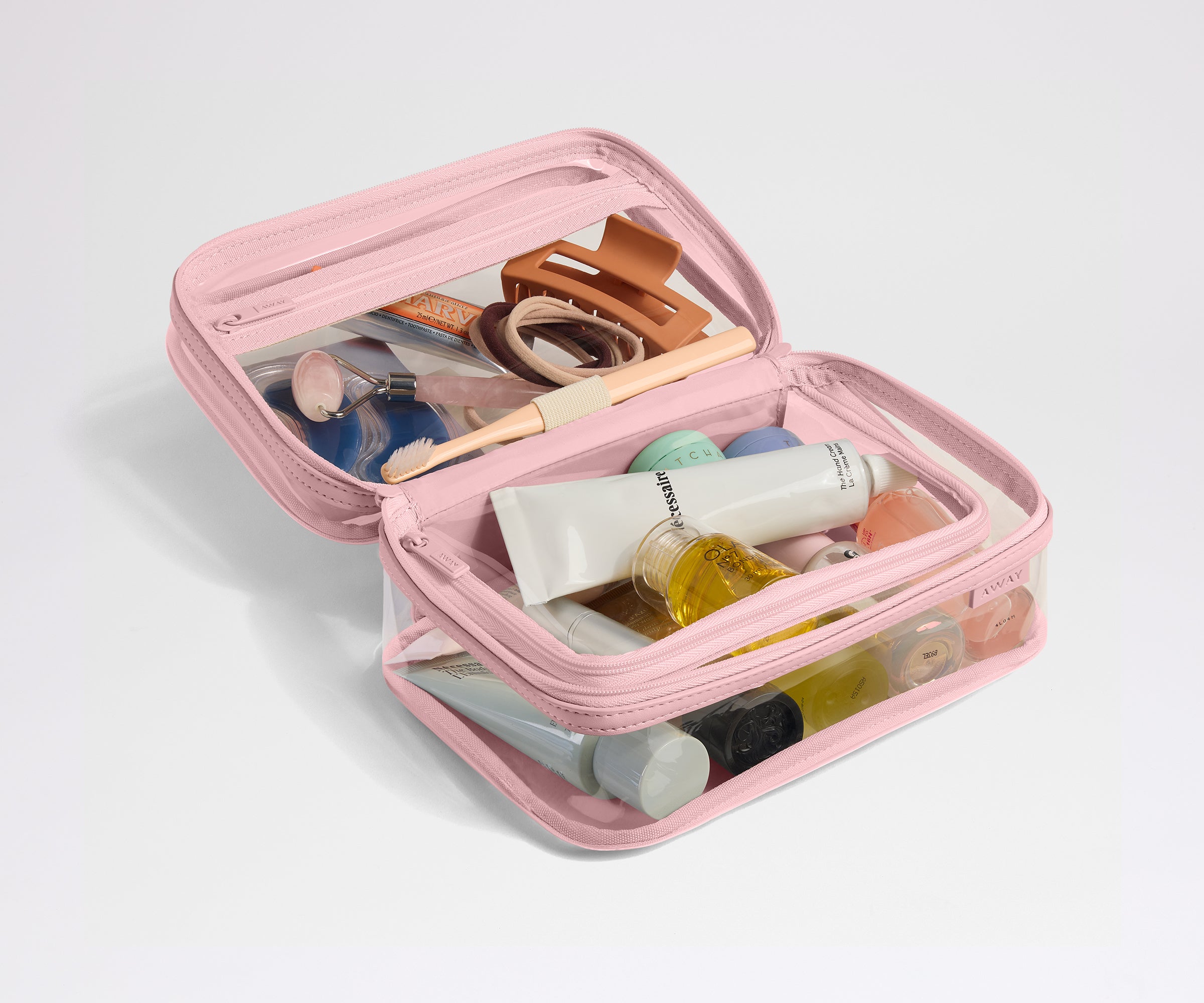
- A toothbrush and the small pouch you can open without unpacking the rest.
- Medication paperwork you already have, kept with you, not as medical advice from this desk.
What can wait in the hold
Extra shoes, a second jacket, and the book you might finish can ride below. So can anything you would rather not lift into an overhead bin. If you can live without an item until the belt, it belongs there.
- A spare pair of shoes that are not the pair on your feet
- Bulky layers you will not wear between terminals
- Gifts and bottles that screening will only slow down if they stay in the cabin
- The “just in case” extras that never leave the suitcase on a normal trip
The reverse is also true. If a connection is short and you will not see the hold bag at all, do not put tomorrow’s shirt in it. Full is a feeling. Access is a fact.
When you still check a bag
Travelling only with a cabin piece is not a virtue. A hard tool, a folded garment that wrinkles if crushed, or a shared load with a child can make a hold bag the honest choice. Check it. Then treat the backpack as if the suitcase will not appear until the next day. Keep a short contents list in the cabin piece for a claim desk.
If two people travel together, split the irreplaceable items. One charger in each cabin bag is dull. It is also how both of you can still work.
I do not tell you the hold bag will arrive. I tell you how not to stand in a terminal with empty pockets while you wait to find out.